

The advice from our team
- Travel at the best time: Choose summer (June to September) to fully enjoy the landscapes and avoid extreme temperatures
- Select the places to visit: Alternate between must-see spots and lesser-known villages
- Explore possible activities: Horseback riding, eagle hunting demonstrations, and rafting are unique experiences not to be missed
- Choose the right package: A 10-day organized road trip with Kyrgyzstan Nomads allows you to discover the essentials without the logistical hassle
Prepare for your trip to Kyrgyzstan
Imagine majestic mountains rising towards an intensely blue sky, high-altitude lakes with turquoise waters, and lush valleys where nomads maintain an ancestral way of life. Welcome to Kyrgyzstan, this hidden gem of Central Asia that offers an authentic adventure away from traditional tourist trails.
This comprehensive guide will accompany you at every step of preparing your trip to Kyrgyzstan. You'll discover when to go to enjoy the best weather conditions, how to create your ideal itinerary to ensure you don't miss any essential sites, and which activities to prioritize for a total immersion in Kyrgyz culture. Whether you're tempted by a road trip in Kyrgyzstan at your own pace or an organized tour, you'll find all the necessary information here to create your tailor-made adventure in this fascinating country where nomadic traditions and spectacular nature meet.

When to go to Kyrgyzstan: choosing the right season for your trip
Timing is crucial to fully enjoy your trip to Kyrgyzstan. The country experiences significant climatic variations depending on the seasons, with harsh winters and relatively mild summers at higher altitudes.
It's the perfect time for a road trip in Kyrgyzstan. The temperatures are pleasant, ranging between 20°C and 30°C in the plains and between 15°C and 25°C in the mountains. The landscapes are lush, mountain passes are accessible, and nomads set up their summer camps in the jailoos (high-altitude pastures).
June and September offer a good balance between mild weather and moderate crowds. July and August are the peak of the tourist season, with more activity around Lake Issyk Kul, a popular summer destination for Kyrgyz people and tourists from neighboring countries.
2. Spring and Autumn (April-May and October)
These shoulder seasons can offer interesting experiences for a trip to Kyrgyzstan, with changing landscapes and more affordable prices. However, the weather in Kyrgyzstan can be unpredictable, with risks of rain or early snow in the mountains. Some passes may be closed, and nights under a yurt can be chilly.
3. Winter (November to March)
A trip to Kyrgyzstan in winter is an experience for the more adventurous. Temperatures can drop to -30°C in the mountains, and many sites are inaccessible. Only ski resorts near Bishkek and a few winter activities around Issyk Kul are feasible during this time.

Guide to Kyrgyzstan: planning your road trip itinerary
Planning a road trip in Kyrgyzstan requires a good understanding of the country’s geography and the distances involved. Our organized road trip in Kyrgyzstan takes care of the logistics while ensuring you follow an optimized Kyrgyzstan itinerary.
Bishkek, the gateway to your adventure
Kyrgyzstan’s capital, with its post-Soviet atmosphere blended with Central Asian influences, deserves a full day of your time (find all our recommendations in our Bishkek guide). Osh Bazaar, shaded squares and museums such as the Fine Arts Museum will help you settle in while discovering the country’s history and culture.
Must-see destinations in the north and central regions
No complete guide to Kyrgyzstan would be complete without these regions, home to some of the country’s most iconic sights:
- Chon-Kemin Valley : Just a few hours from Bishkek, this lush valley offers an introduction to rural Kyrgyz life. Nestled between the Kungey Ala-Too and Ile Alatau ranges, it welcomes you with lush meadows, fir forests and crystal-clear rivers. Hikers will be spoilt for choice, with numerous trails crossing this natural paradise. The warm and welcoming locals will introduce you to their daily lives and perhaps even their equestrian traditions.
- Lake Issyk-Kul: The world’s second-largest alpine lake, this inland sea with slightly saline water is surrounded by snow-capped mountains. The more developed northern shore is home to popular resorts where you can enjoy the beaches and surprisingly warm water despite the altitude. The wilder, more authentic southern shore offers incredible scenery and reveals archaeological treasures such as Cholpon-Ata’s ancient petroglyphs, which bear witness to 3,000 years of history. Don’t miss the open-air museum, where more than 900 engraved stones tell the story of the Scythian and Hun peoples who once occupied the region.
- Karakol : This town east of Lake Issyk-Kul, with its provincial charm and Russian wooden architecture, is an ideal base for exploring the region. The wooden Orthodox cathedral, built without nails, and the Dungan mosque, which resembles a Chinese temple, reflect the region’s rich cultural mix. Nearby, the magnificent Jeti-Oguz Gorge reveals its famous red rock formations shaped like the “Seven Bulls”, while Barskoon Gorge is home to spectacular waterfalls. Experienced hikers can venture to Ala-Kul Lake, a turquoise gem tucked away at an altitude of 3,500 m.
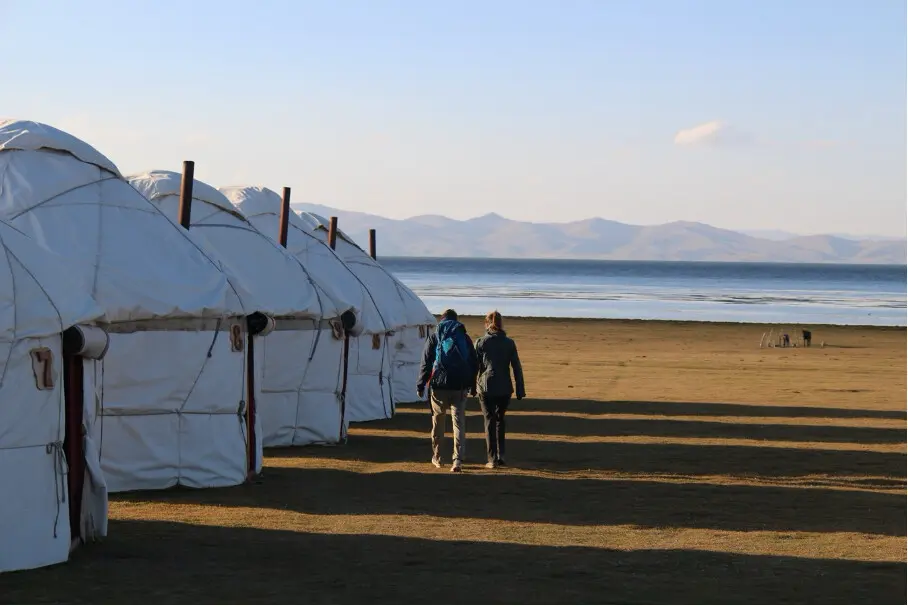
- Song-Kul Lake: Located at an altitude of more than 3,000 m, this heavenly lake surrounded by endless pastures offers one of the most authentic travel experiences in Kyrgyzstan. From June to August, nomads set up their camps here for the summer season. Spending a night in a yurt by the lake lets you admire an exceptionally clear, star-filled sky and wake up to incredible views. Meeting the nomadic herders who have preserved a centuries-old way of life is a special experience, where time seems to stand still. The more adventurous can explore the surrounding area on horseback, a traditional means of transport perfectly suited to the region’s vast open spaces.


What to do in Kyrgyzstan: must-do activities and experiences
A trip to Kyrgyzstan that truly delivers combines natural discoveries with cultural immersion. Here are the activities that will make your journey unforgettable:
Sleep in a yurt, an authentic nomadic experience
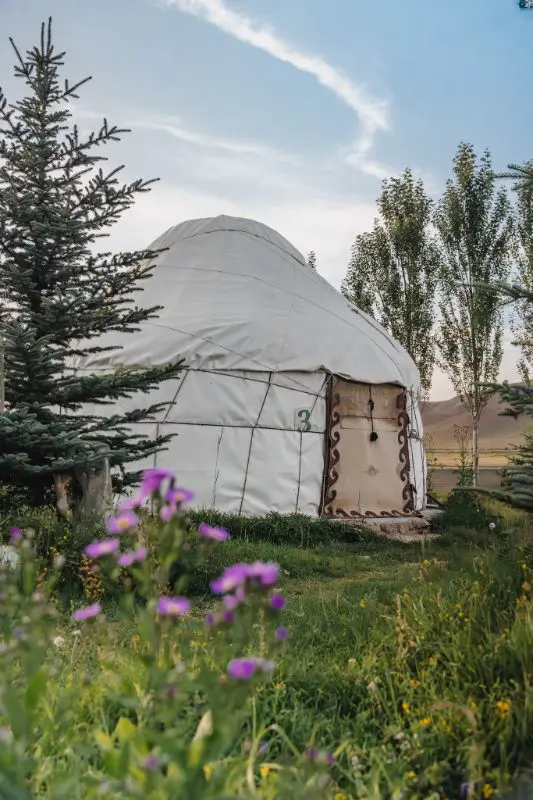
Accommodation in Kyrgyzstan varies considerably from region to region, but spending a night in a yurt is probably the most memorable experience of all. These traditional nomadic homes are perfectly suited to the mountain climate, with their wind-resistant circular structure and natural insulation. Inside, a central stove warms the single room, decorated with colourful carpets featuring traditional patterns. Outside, far from light pollution, the exceptionally clear night sky puts on an unforgettable show, deepening the feeling of total immersion in nomadic culture. What should you pack? We cover everything in our article Sleeping in a yurt in Kyrgyzstan.
Horseback riding in the Tian Shan mountains
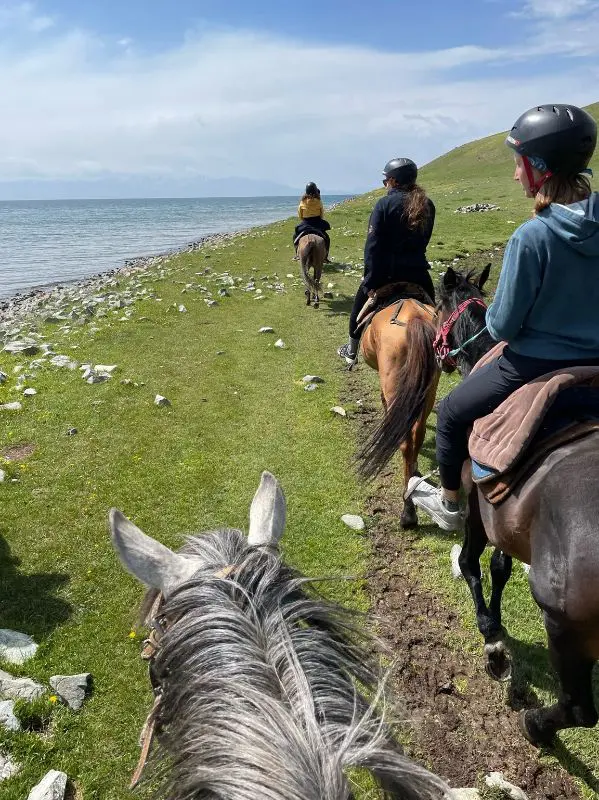
Kyrgyzstan has been a land of horse riders for centuries, with children learning to ride almost as soon as they learn to walk. For adventurers, a horseback trek is therefore much more than a tourist activity. It is a chance to experience the traditional Kyrgyz way of life. The regions around Song-Kul Lake and Jyrgalan are particularly well suited to this activity, with vast high-altitude meadows framed by majestic mountains. Many local agencies offer trips for all experience levels, from a simple few-hour ride to a multi-day expedition.
Watch an eagle-hunting demonstration
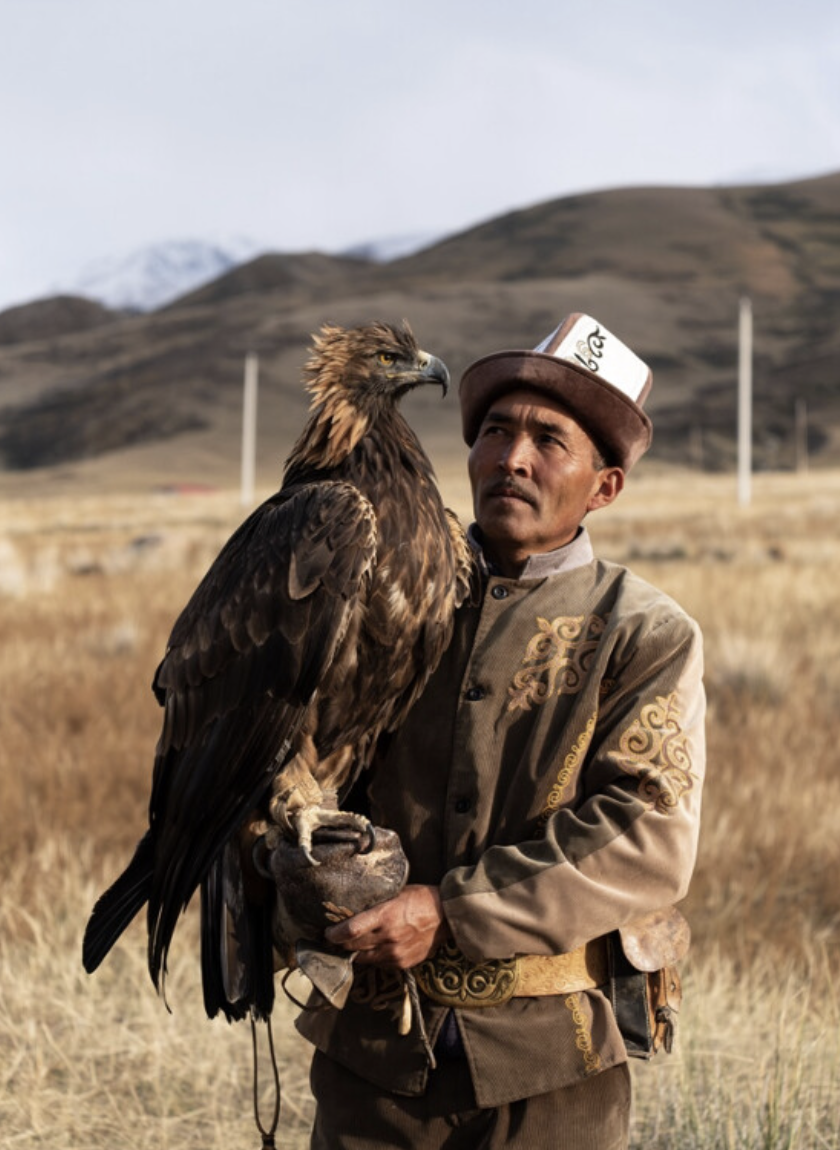
Berkutchi, the ancient art of hunting with golden eagles, is listed as UNESCO Intangible Cultural Heritage. It reflects the thousand-year-old relationship between humans and birds of prey across the steppes of Central Asia. In several parts of the country, especially around Issyk-Kul, you can watch demonstrations in which berkutchis, dressed in traditional clothing and mounted on horseback, release their eagles to chase a fake prey. Watching these majestic birds, with wingspans of more than two metres, spot prey over a kilometre away and then return to land precisely on their master’s gloved arm is a powerful experience that connects you with Central Asia’s oldest traditions.
Raft the country’s wild rivers
Kyrgyzstan’s mountains give rise to countless rivers that offer ideal rafting conditions when the snow melts. The Chuy River, near Bishkek, has Class 2 to 4 rapids that are accessible with a good level of fitness. Further south, the Naryn and Kekemeren rivers offer more technical challenges, with Class III to V rapids that experienced rafters will love. The best season runs from May to September, with the strongest flows in June during the snowmelt. Many operators offer day trips or multi-day expeditions that combine the thrill of the rapids with a unique perspective on the canyons and gorges carved into the Kyrgyz landscape.
Discover Kyrgyz cuisine
Shaped by nomadic traditions and the mountain environment, Kyrgyz cuisine is rich in meat and dairy products and forms an essential part of local culture. Don’t leave the country without trying beshbarmak (“five fingers”), the national dish made with boiled pasta sheets topped with mutton or horse meat, lagman, hand-pulled noodles served with a thick meat and vegetable sauce, or plov, pilaf rice with carrots and meat, which is particularly popular in the south.
Hike and trek through the mountains
With more than 90% of its territory above 1,500 m, Kyrgyzstan is a paradise for hikers. Trails of every difficulty cross the country, offering spectacular views of glaciers, alpine lakes and snow-capped peaks. The Ala Archa region, just 40 km from Bishkek, is ideal for day hikes, while the Karakol Valley, with its famous Ala Kul trek, and the Arslanbob region offer multi-day routes through varied landscapes. The best hiking season runs from June to September. Even in summer, warm clothing is recommended, as nighttime temperatures can drop sharply at altitude.
The good news? You can experience almost all of this on our Kyrgyzstan road trip: yurt stays and many of the meals are included, while horseback riding, the eagle-hunting demonstration and rafting can be added as optional extras. To work out the total cost, read how much to budget. We’ve carefully selected the most authentic experiences to give you a complete immersion in Kyrgyz nomadic culture while introducing you to the remarkable landscapes of this fascinating country.
Weather in Kyrgyzstan: adapting to the climate conditions
The weather in Kyrgyzstan can be unpredictable, even in the middle of summer. Changes in altitude lead to significant temperature variations, sometimes within a single day. For a comfortable road trip in Kyrgyzstan, keep these tips in mind:
Pack according to the “onion layer” principle
Even in summer, pack warm clothes for evenings at high altitude and nights in a yurt. A good waterproof windbreaker, wool or fleece sweaters, and a beanie can be essential, especially around Song-Kul Lake.
Protect yourself from the mountain sun
UV radiation becomes more intense at higher altitudes. A hat, sunglasses, and high-SPF sunscreen are essential, even when it’s cloudy.
Expect changing weather conditions
A storm can suddenly break out in the mountains. Always bring suitable gear on your hikes, and keep your schedule flexible so you can adjust your plans if needed.
Final thoughts
Kyrgyzstan is waiting for you with an extraordinary adventure combining spectacular landscapes and living traditions. Our 10-day road trip offers a complete, hassle-free immersion in this little-known gem of Central Asia. Ready to discover the land of the celestial mountains? Start with our complete 10-day itinerary and our selection of the most beautiful places.