
Between traditions and influences
A culture at the crossroads of the Silk Road
Located at the heart of Central Asia and bordered by China, Uzbekistan, Kazakhstan, and Tajikistan, Kyrgyzstan has developed a rich and diverse cultural identity shaped by centuries of exchanges along the Silk Road. This strategic position has left visible marks that travelers quickly notice when they travel to Kyrgyzstan.
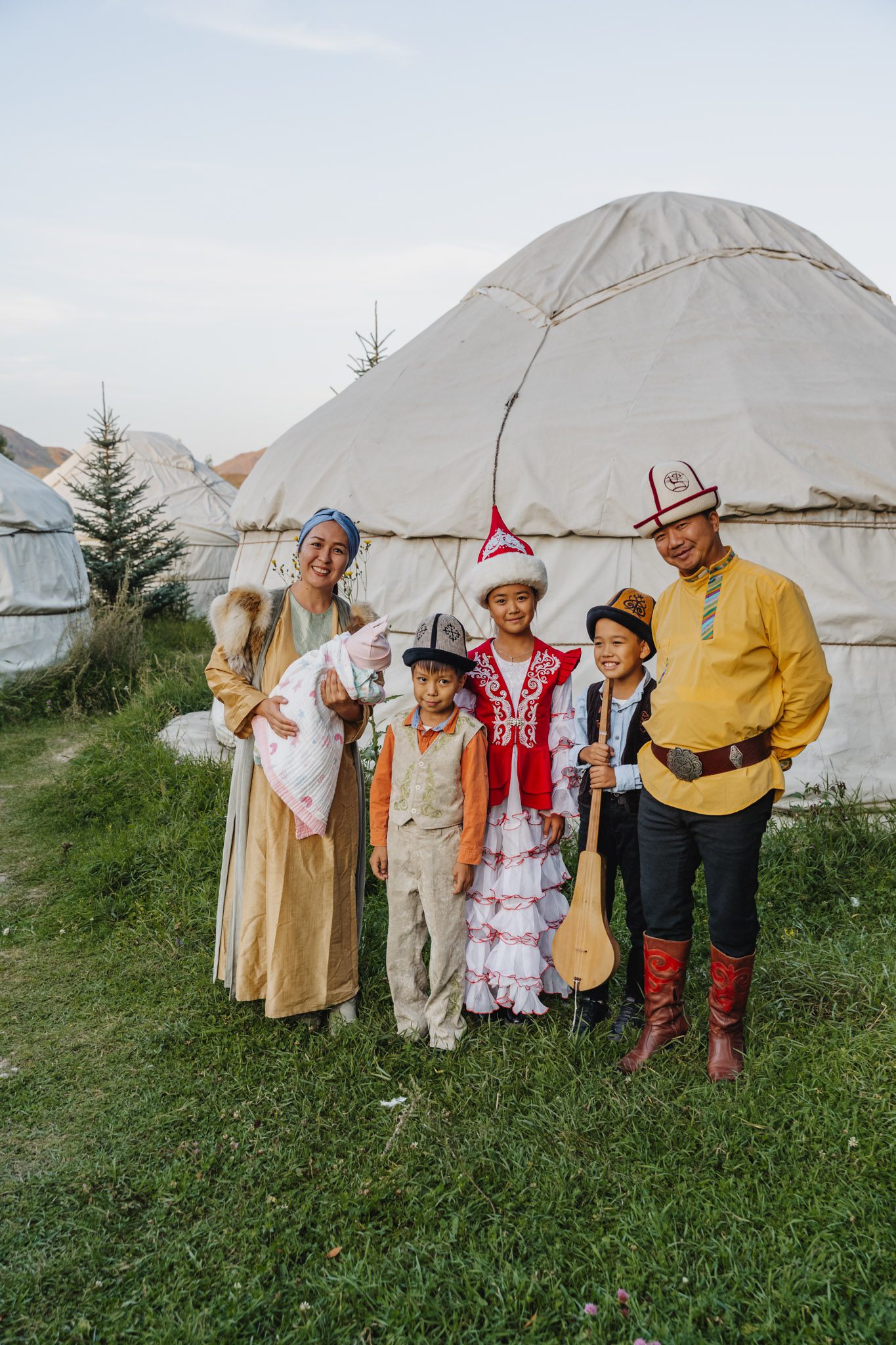
In the north, especially around Bishkek, Kyrgyzstan, Russian and Soviet influences are still present in the language, architecture, and urban planning, with wide avenues and monumental buildings. In contrast, the south of the country, closer to Osh, Kyrgyzstan, remains more traditional, deeply connected to nomadic customs and to a form of Sunni Islam practiced simply and often infused with ancient shamanic beliefs.
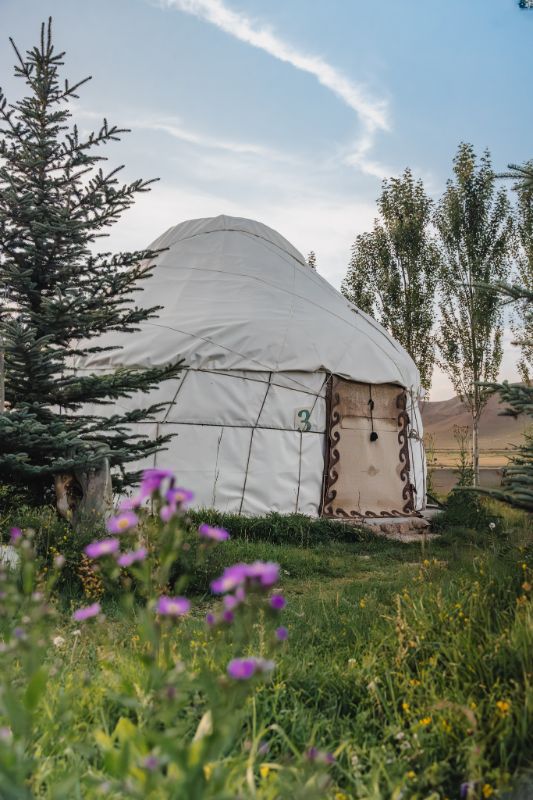
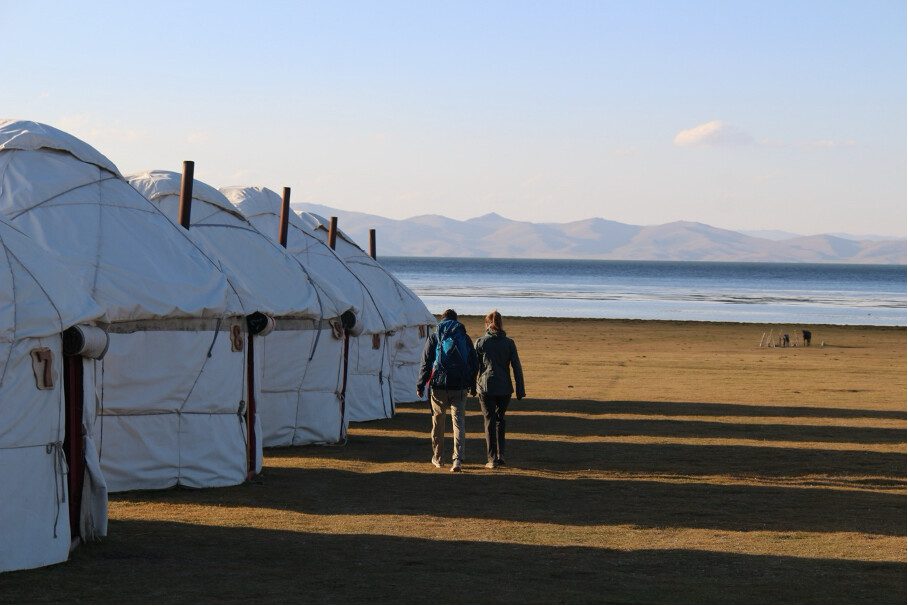
This contrast between modernity and tradition is what makes Kyrgyzstan tourism so fascinating. In a single day, you can stroll through a city shaped by the Soviet era and later share a meal with a nomadic family in a yurt perched at nearly 3,000 meters above sea level.
Music, epics, and equestrian arts
Kyrgyz culture also lives through music and oral storytelling. The komuz, a small three-stringed lute, accompanies songs and epic tales, most notably the Manas, a foundational poem of Kyrgyz national identity passed down from generation to generation. Its recitation — sometimes lasting for hours or even days — is considered a sacred art and a living memory of the nation.
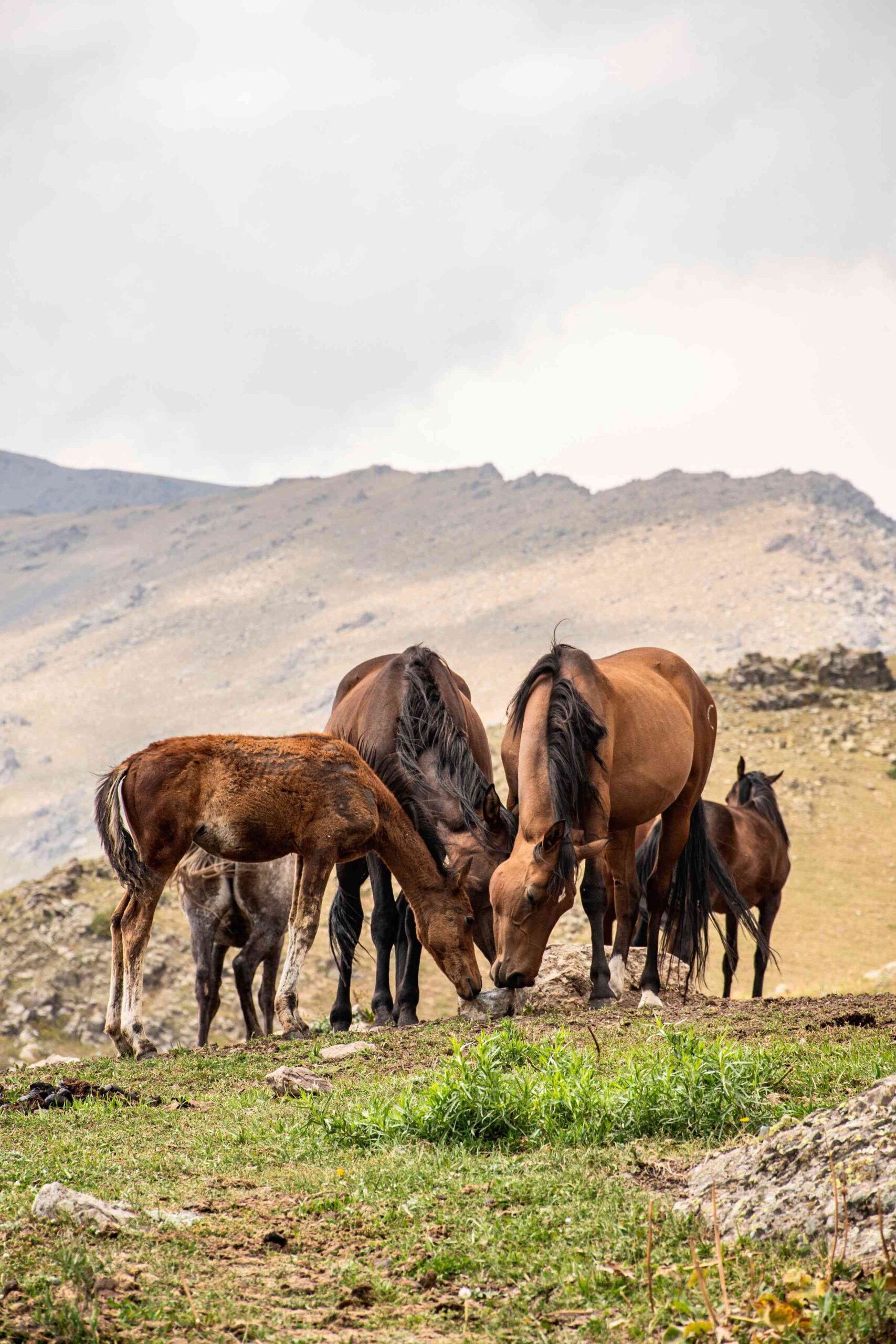
Another powerful expression of this heritage is kok boru, the national sport of Kyrgyzstan. Spectacular and intense, it pits two teams of horsemen against each other as they compete for a goat carcass. Rooted in the traditions of the steppes, this game symbolizes strength, agility, and the warrior spirit of nomadic peoples. Even today, during festivals and major events, kok boru brings together villages and spectators in a vibrant, communal atmosphere that reflects the soul of Kyrgyzstan.
Kyrgyz cuisine: simplicity and generosity
A meal is always a celebration!
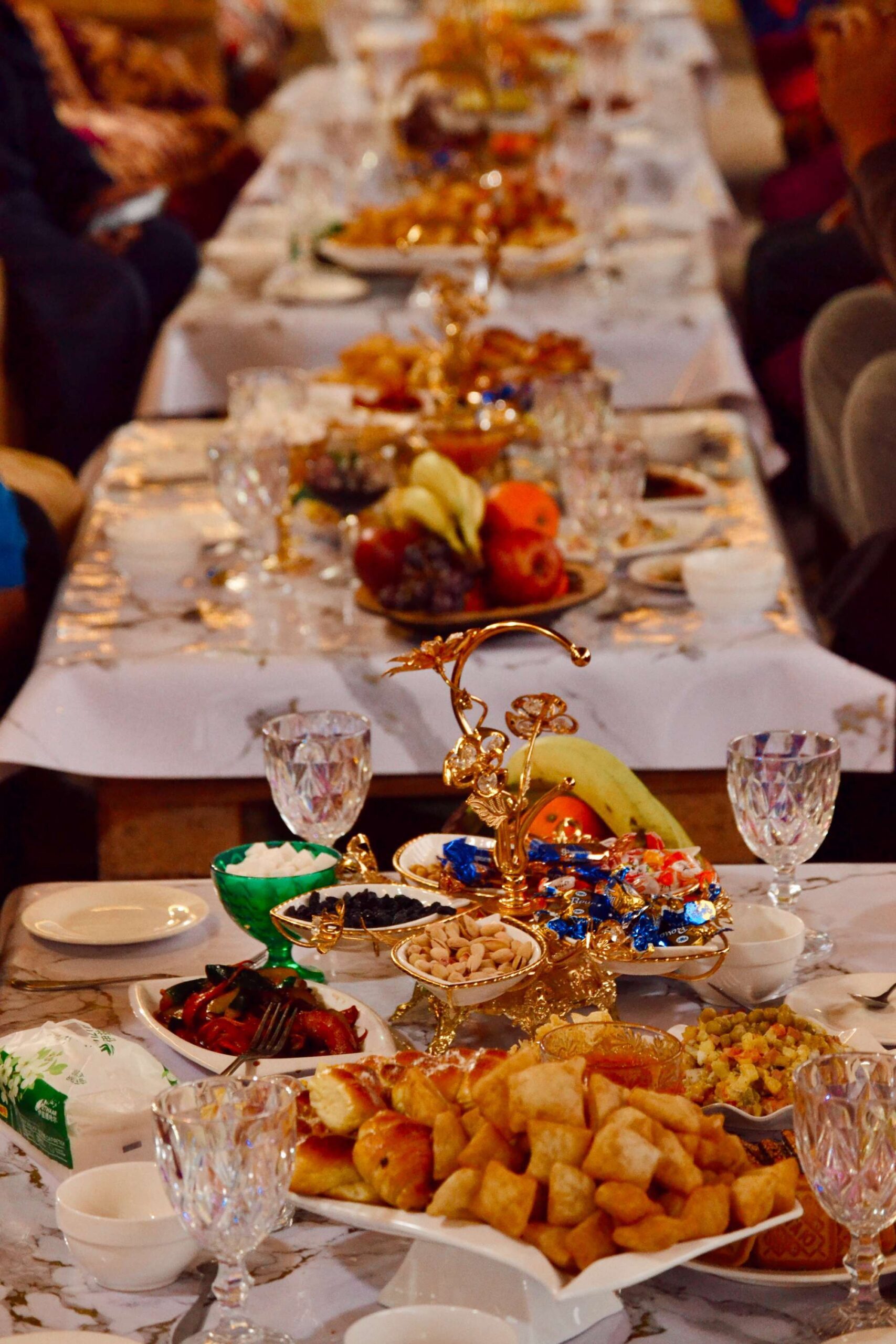
The cuisine of Kyrgyzstan reflects its people: simple, nourishing, and always shared in abundance. When you travel to Kyrgyzstan, meals quickly become moments of connection. Fresh bread, homemade jams, dried fruits, nuts, and roasted or boiled meats fill the low tables around which families and travelers gather.
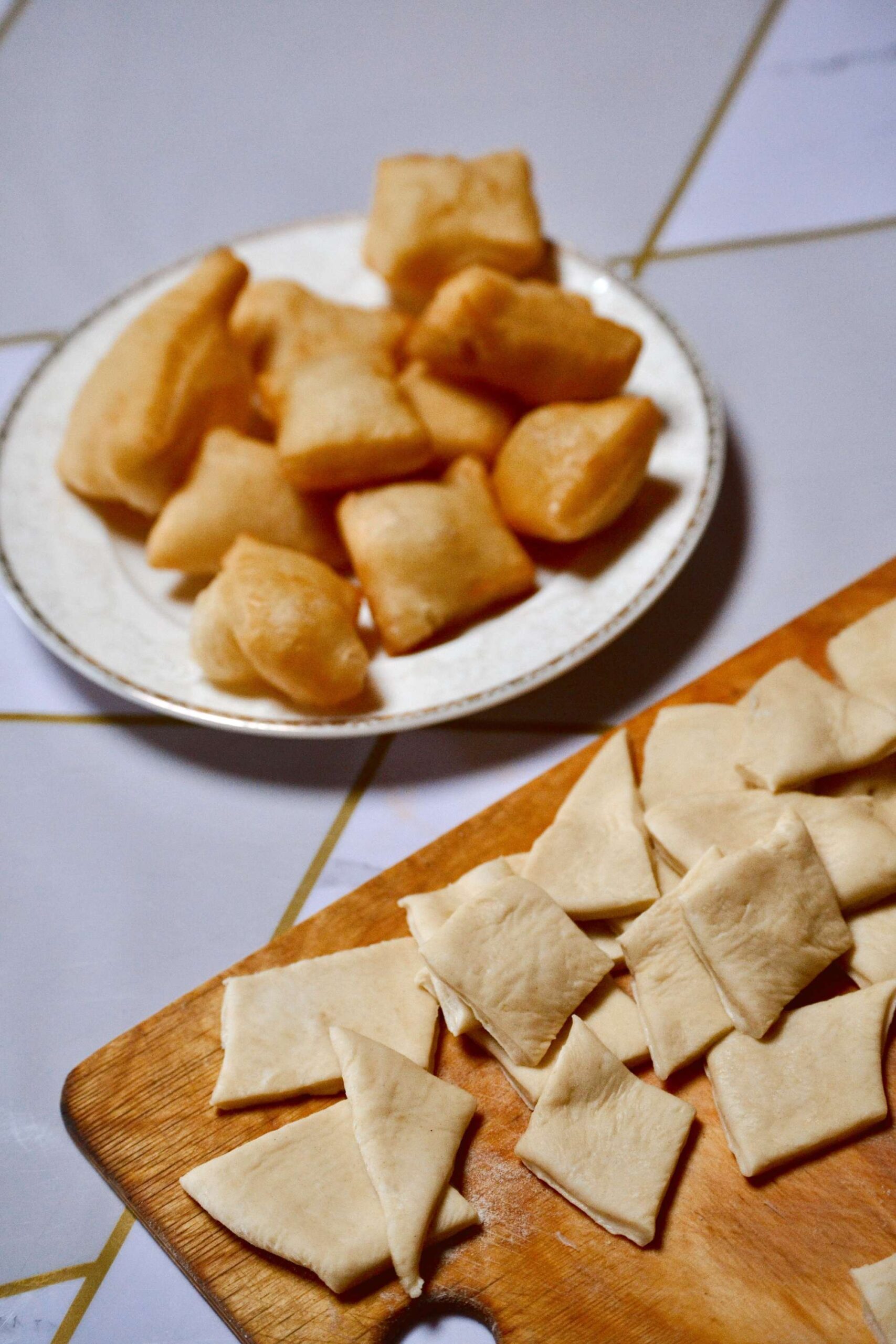
You can’t miss boorsok, small fried dough bites often dipped in honey or jam. There’s also kumys, fermented mare’s milk with a tangy taste, and kuruts, small balls of dried cheese that are traditionally eaten on the road during long journeys.
Among the most iconic dishes of Kyrgyzstan tourism are:
- Plov: sautéed rice with meat and carrots, originally from Uzbekistan
- Manti: large steamed dumplings filled with meat
- Lagman: homemade noodle soup flavored with vegetables and spices
Each dish is designed to warm, nourish, and energize those who work outdoors or travel long distances on horseback. It’s a cuisine born from survival that has naturally become a cuisine of hospitality, an essential part of any authentic Kyrgyzstan trip.
Drinks: between tradition and Soviet heritage
Tea, an essential ritual
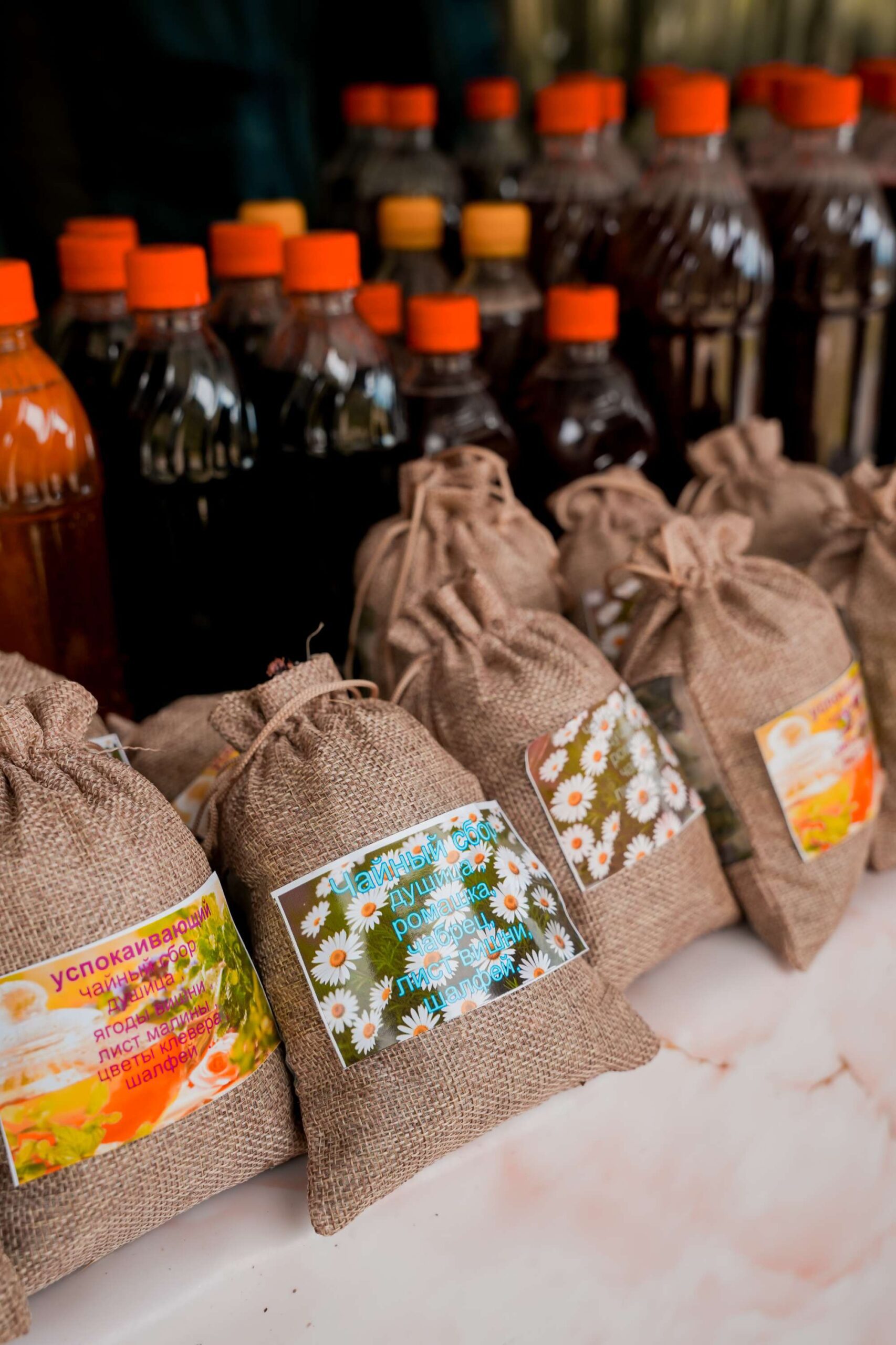
In Kyrgyzstan, tea is enjoyed from morning to night and plays a central role in everyday life. Served in small bowls called piala, it accompanies every conversation. More than just a drink, tea is a symbol of respect, hospitality, and openness — something travelers quickly notice when they travel to Kyrgyzstan.
Tea structures the rhythm of the day: at sunrise, to welcome a guest, after a long walk or horseback ride, or just before going to sleep. It’s not only about quenching thirst, but about creating bonds, easing tensions, and taking the time to share. A simple ritual that lies at the heart of Kyrgyzstan tourism and nomadic culture.
Vodka and celebrations
If tea is king, vodka remains a legacy of the Soviet era. In some families, especially during weddings or large celebrations, it accompanies heartfelt toasts and lively evenings. Refusing a drink can sometimes be seen as impolite, as the sense of camaraderie around the table is deeply valued.
Over time, vodka has also become a social ritual: people toast, laugh, exchange stories, and sometimes dance until the early hours of the morning. A striking contrast to the calm sobriety of the steppes — and another fascinating layer of any authentic Kyrgyzstan trip.
A Kyrgyzstan culture shaped by nature and ancient roads
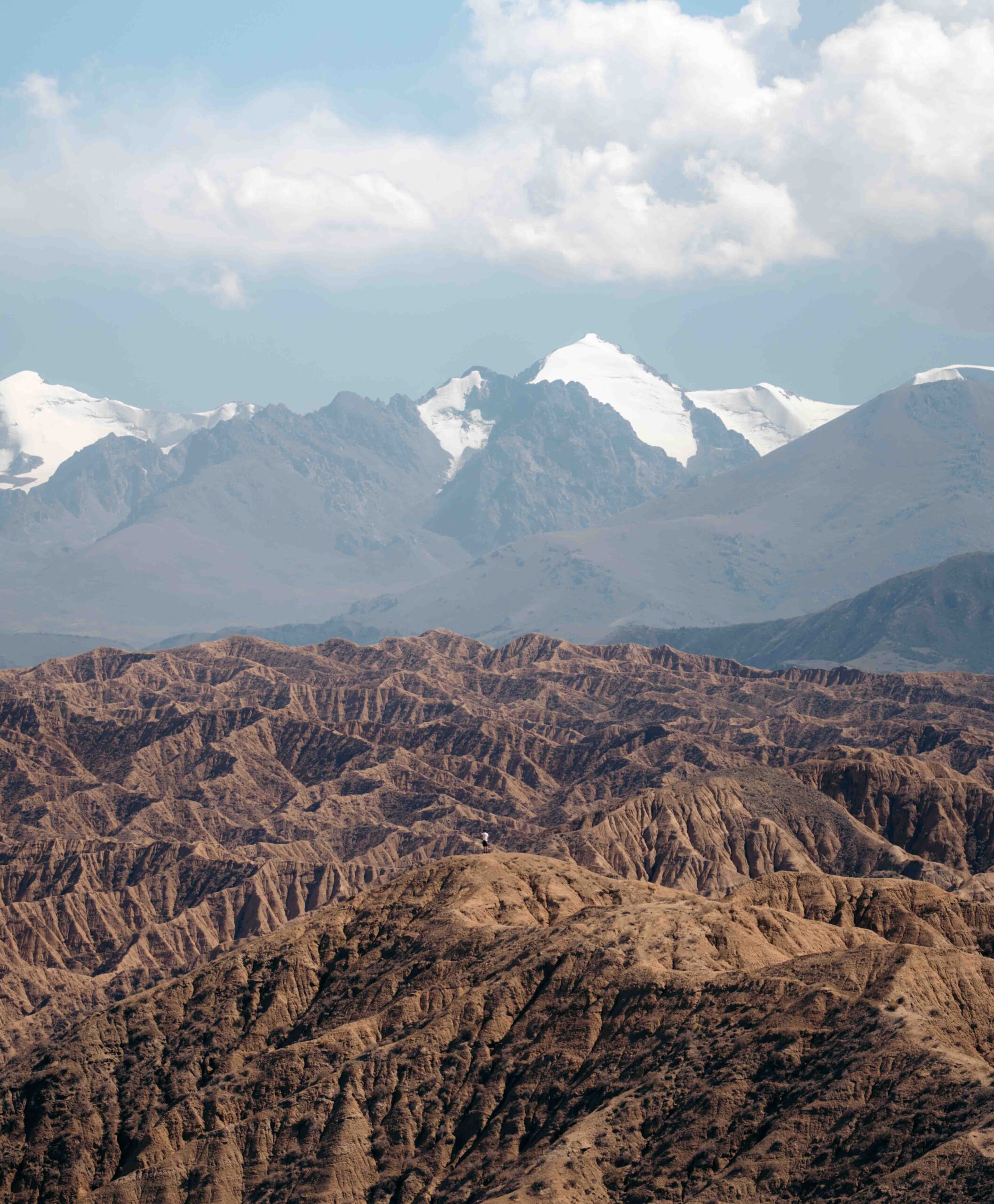
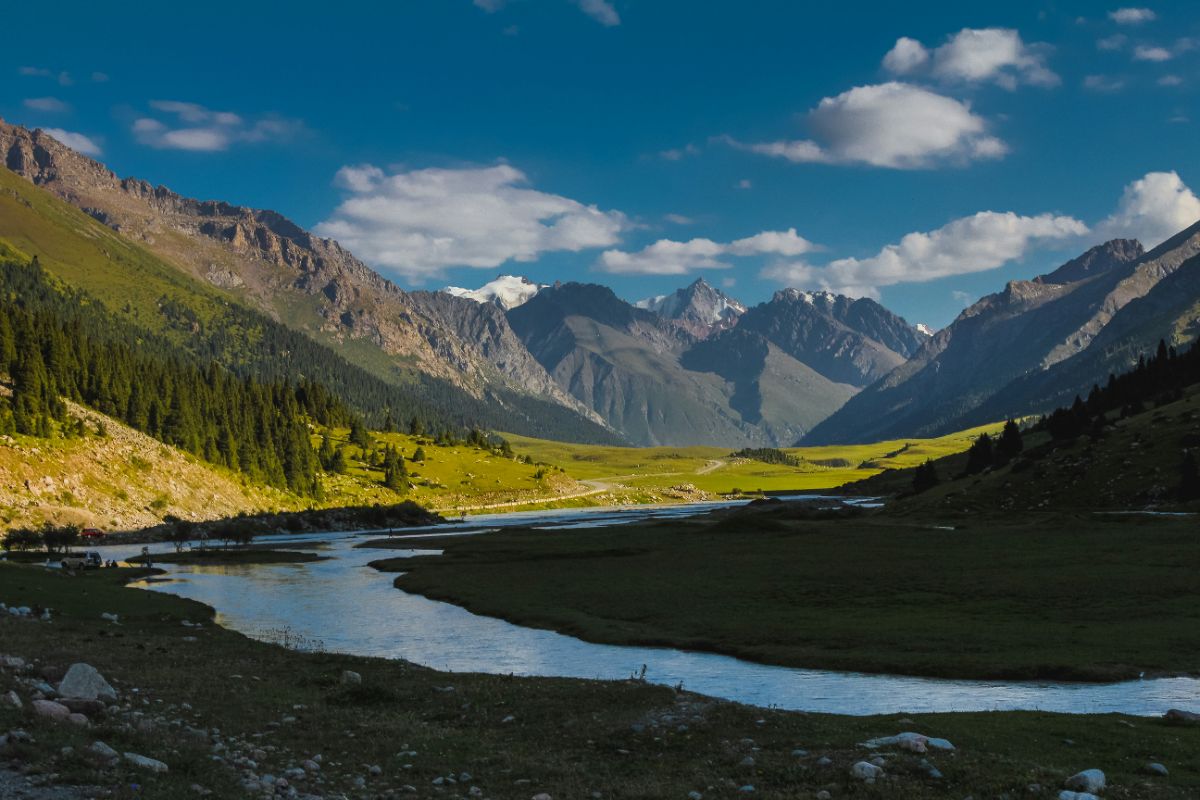
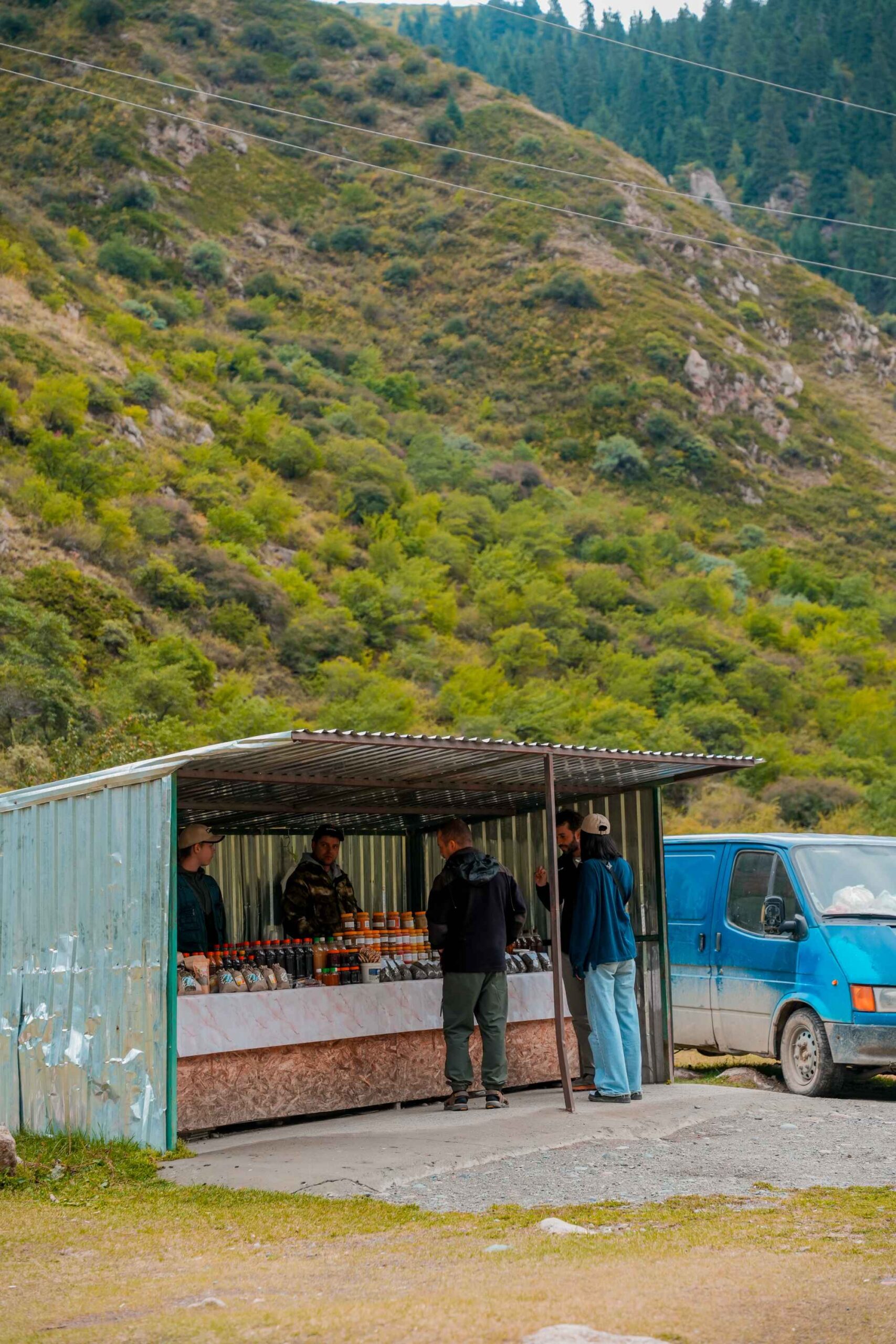
Kyrgyz culture is inseparable from its environment: vast mountain ranges, wind-swept steppes, and lakes with ever-changing reflections. It is also the result of centuries of exchanges along the ancient Silk Roads, where caravans, beliefs, and traditions once crossed paths. This unique heritage still shapes daily life in Kyrgyzstan today.
With epic tales, extraordinary hospitality, ancestral music, and generous cuisine, Kyrgyzstan tourism offers far more than sightseeing. Every Kyrgyzstan trip becomes a full immersion into a world that is both raw and poetic, where nature and culture are deeply intertwined.
To truly experience it, nothing compares to a road trip in Kyrgyzstan combined with nights in traditional yurts. It’s an adventure that blends spectacular landscapes, nomadic traditions, and unforgettable human encounters, the essence of travel to Kyrgyzstan.